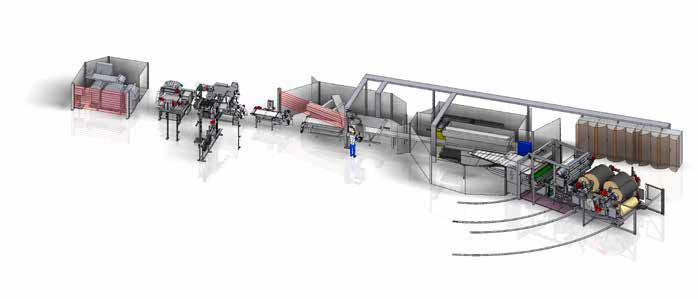







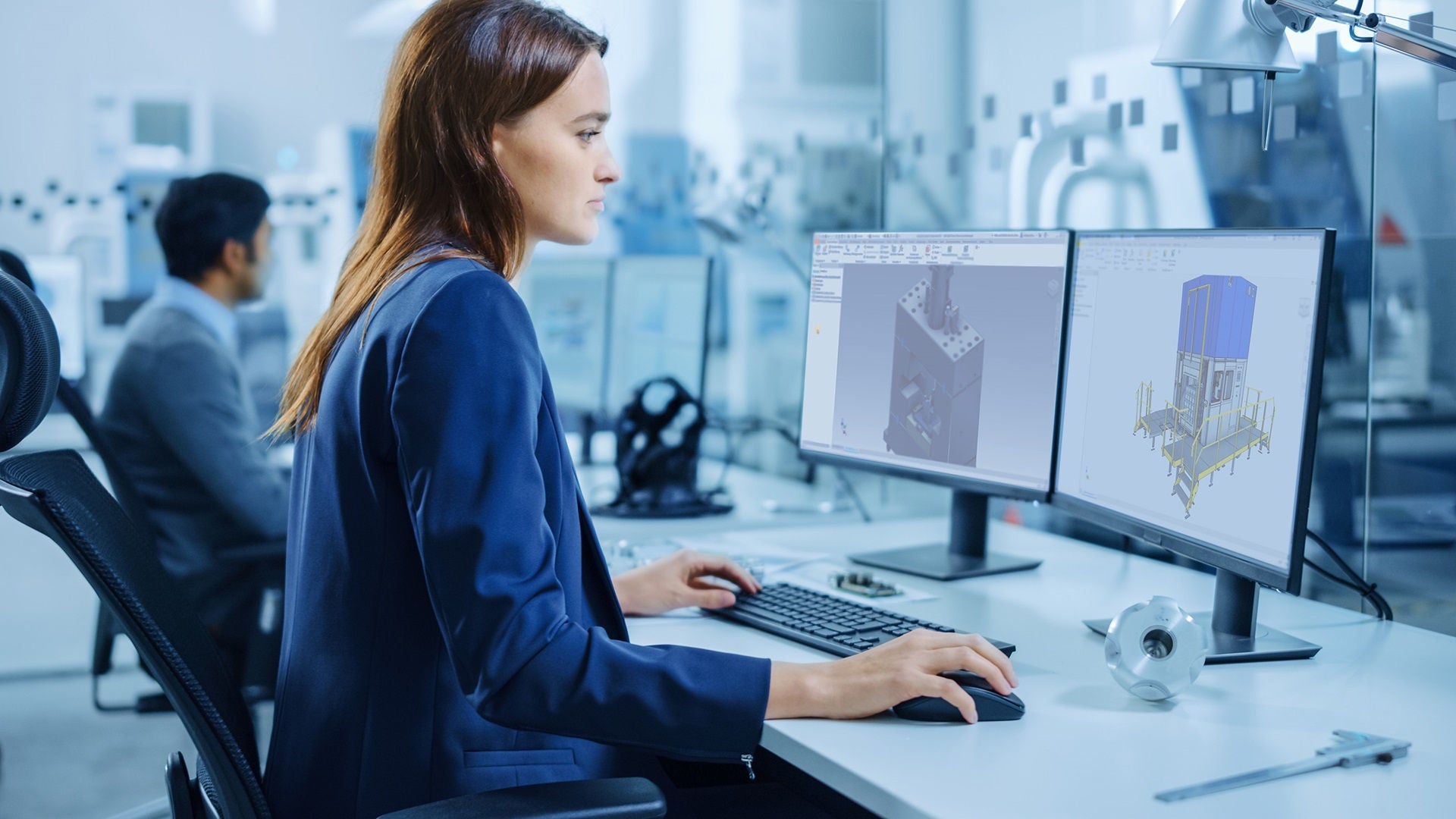
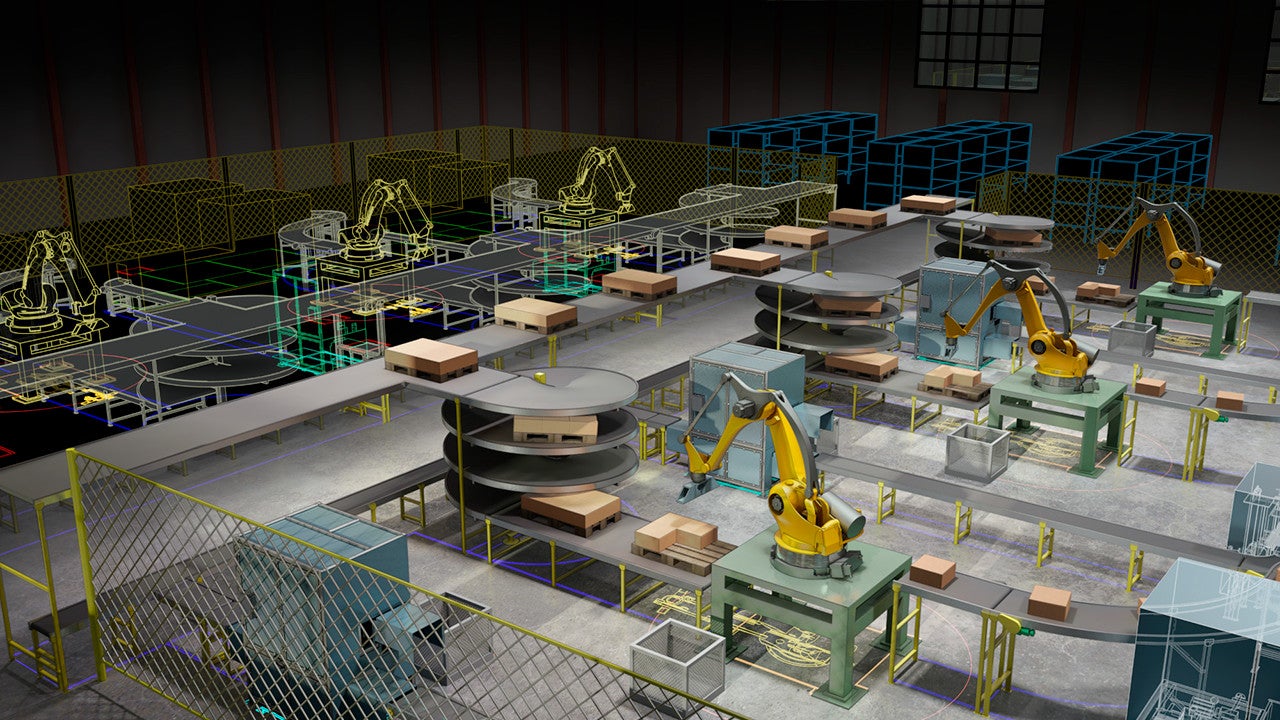
The CAD software Autodesk Inventor offers professional tools for mechanical 3D design, documentation and product simulation.
Mechanical engineering companies must digitalize engineering and manufacturing processes, manage complex product variants, and increase efficiency while meeting sustainability goals. Shorter time-to-market requirements and skilled labor shortages demand seamless digital workflows.
Modern CAD, PDM, and PLM solutions enable centralized data management, standardized development processes, and improved collaboration across design, manufacturing, and sales. ERP integration ensures consistent data flow throughout the entire value chain.
Cideon supports you with deep expertise in mechanical and special-purpose machinery engineering — from process consulting and system integration to custom development, training, and support.
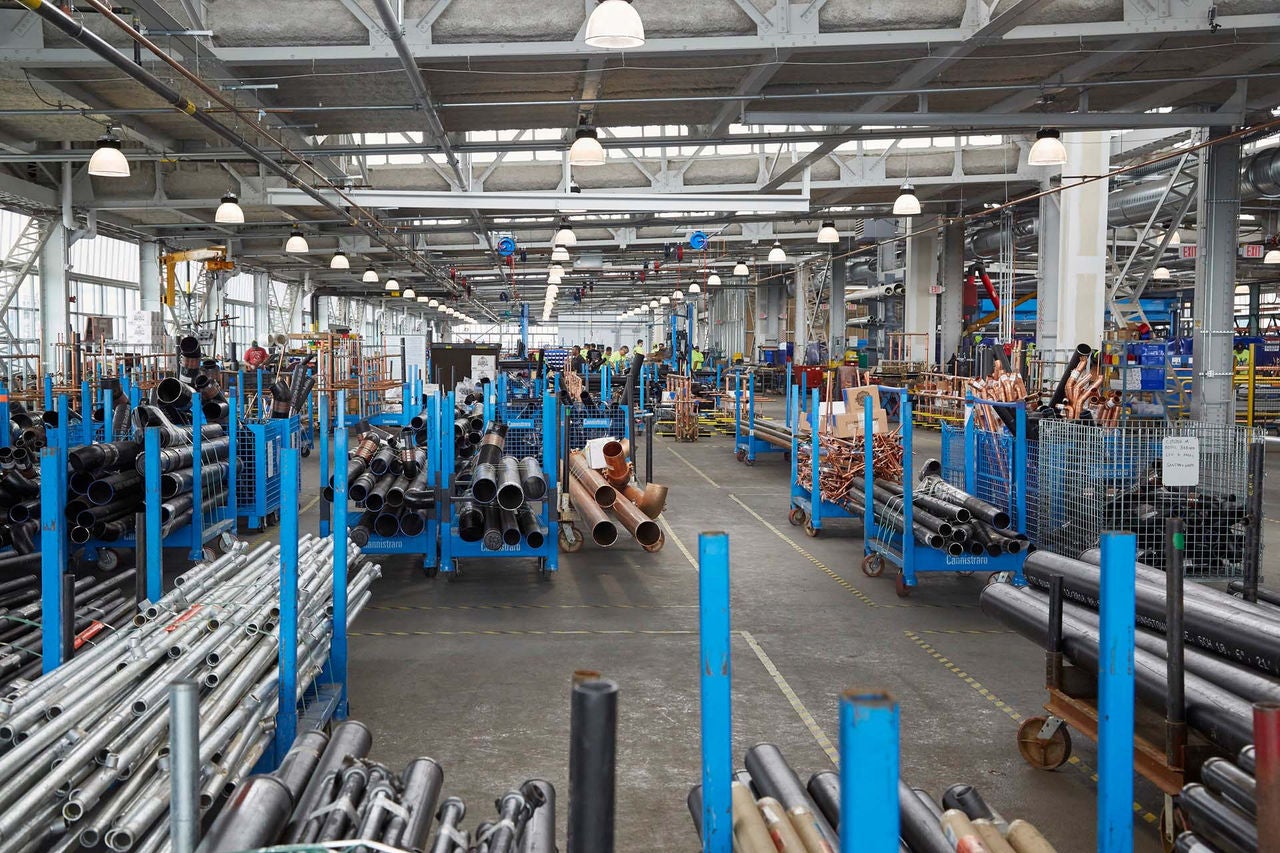
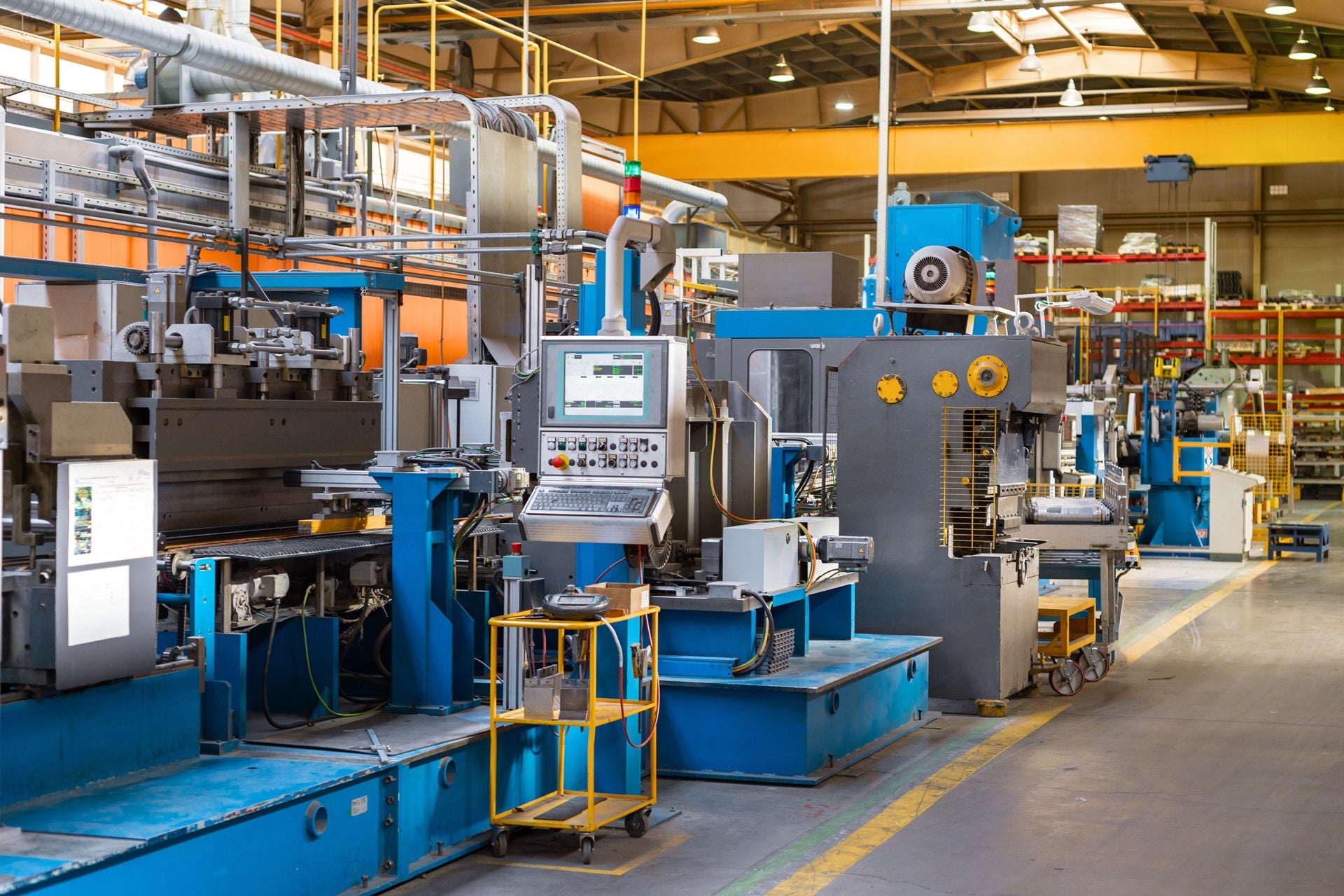
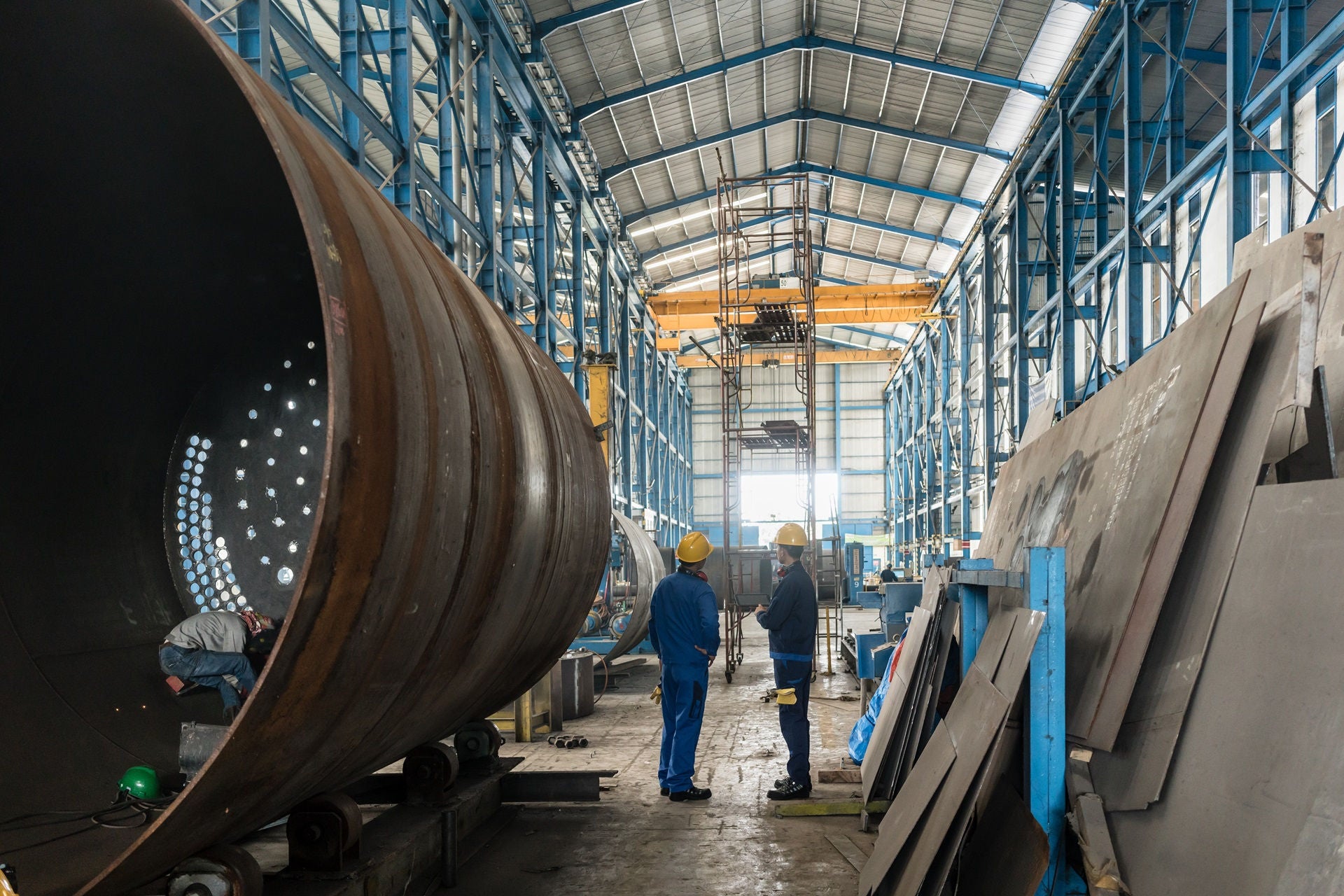
There are a number of challenges that need to be overcome in machine building: from the advancement of digitalization to the shortage of skilled workers and the need for sustainable production.
Simplify your product development with efficient engineering software for machine building, intelligent PDM/PLM solutions, and integrations between CAD, PDM/PLM, and ERP. Discover the most important software solutions for machine building now.
Discover popular CAD, PDM and PLM software solutions for machine building now.
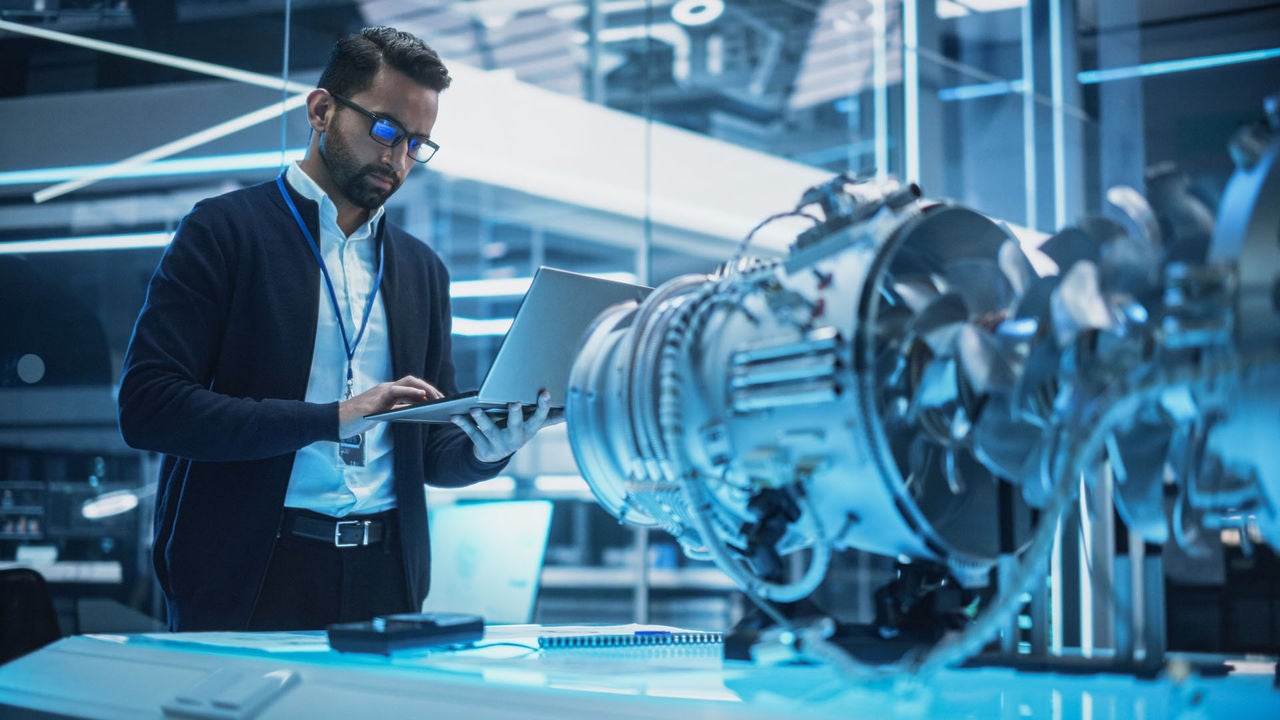
The challenges in machine building reflect the dynamic development of the industry. A key issue is the advancing digitalization, which brings new opportunities, but digitalization projects can also lead to challenges, especially in the initial phase.
Another aspect is the constant need to bring innovative products faster to market, which puts pressure on development and production cycles. At the same time, companies must respond to global challenges such as sustainability and resource efficiency.
Demographic change and the shortage of qualified staff in machine building present additional obstacles. Long-term competitiveness can only be ensured with sufficient well-trained staff.
The future success of machine building and the opportunity to shape innovative solutions for the industry of tomorrow lie in dealing with these challenges.
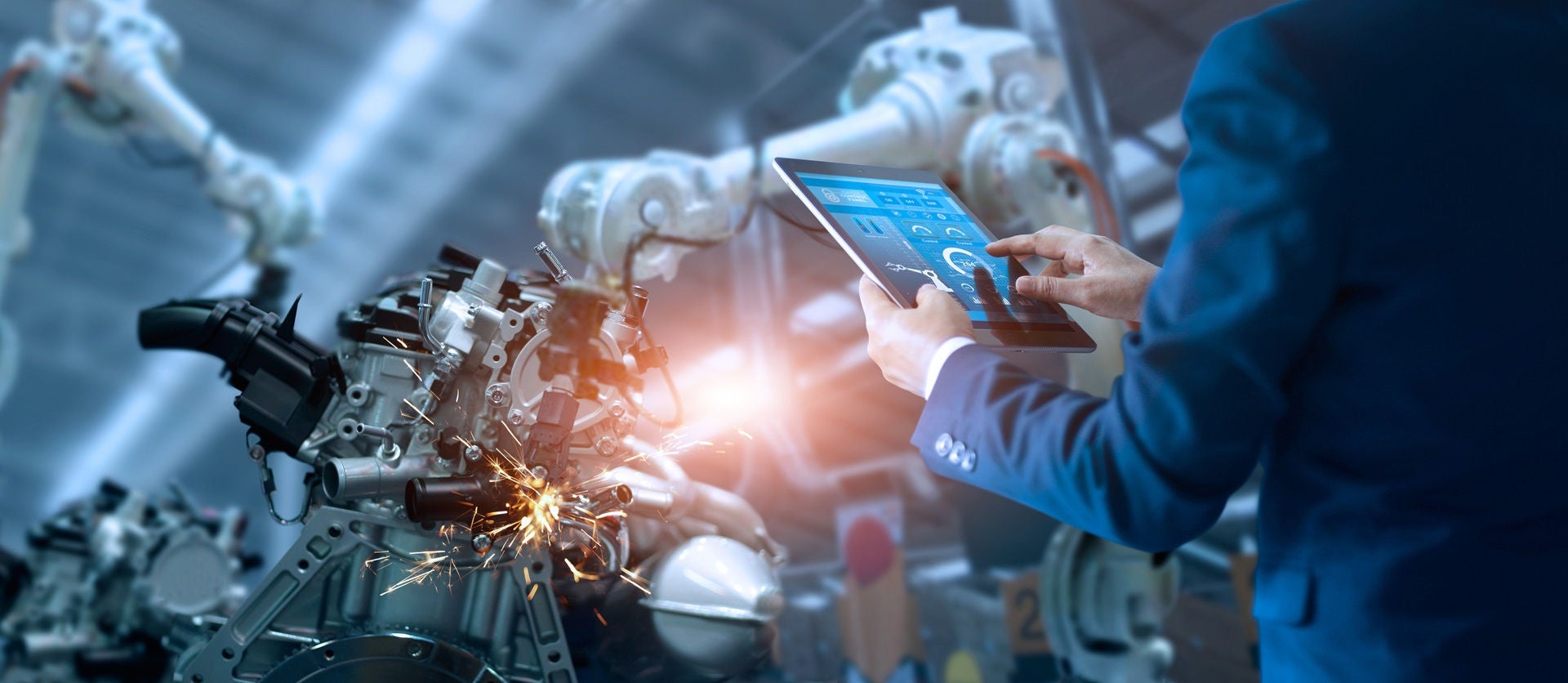
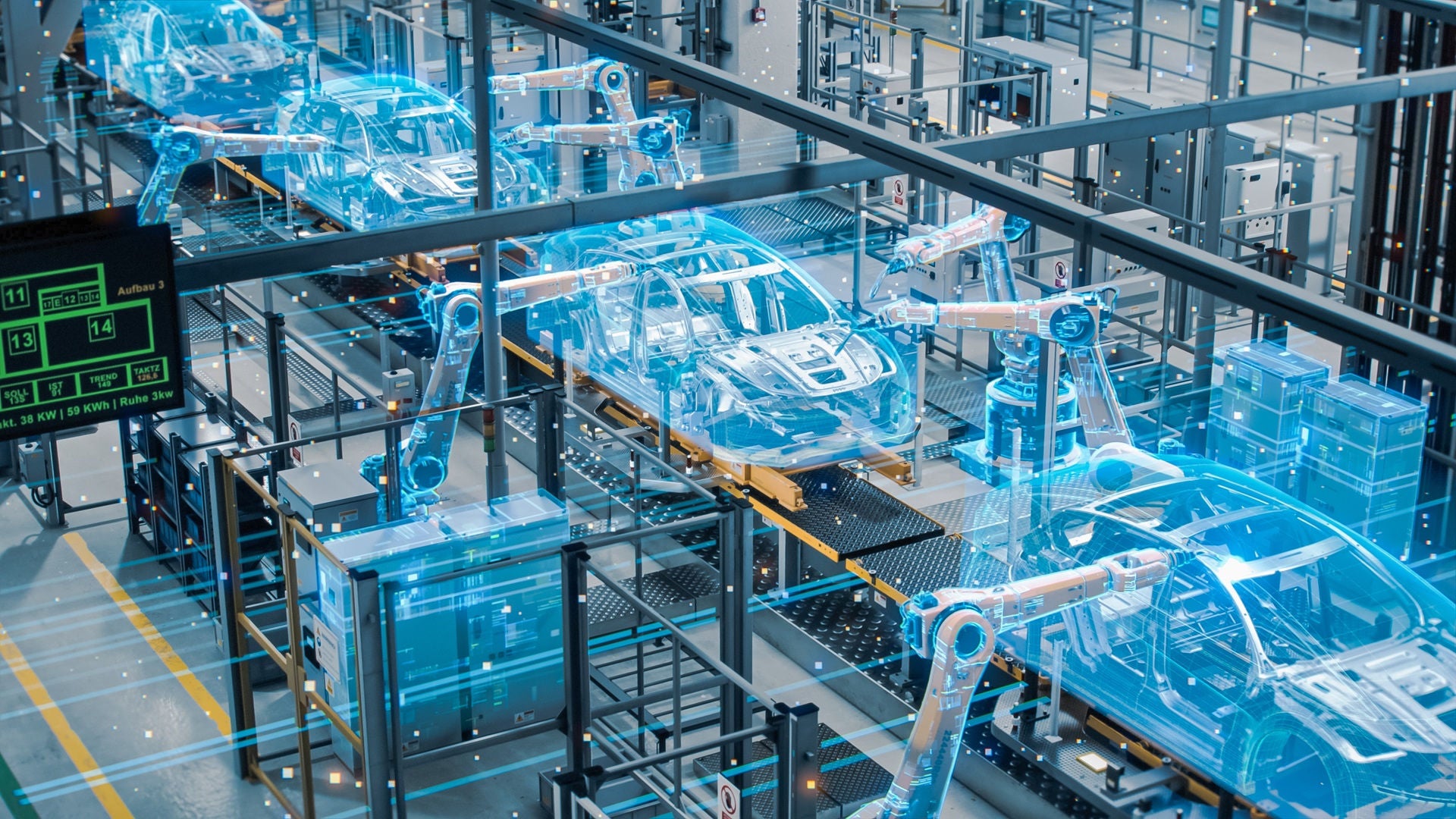
Digitalization in machine building opens up various advantages to boost the efficiency and competitiveness of the industry. One key benefit is the increase in productivity through the automation of processes. This enables faster production on the one hand and more precise manufacturing on the other, which ultimately improves product quality.
More efficient use of resources can reduce costs, while at the same time increasing the possibility of implementing sustainable practices.
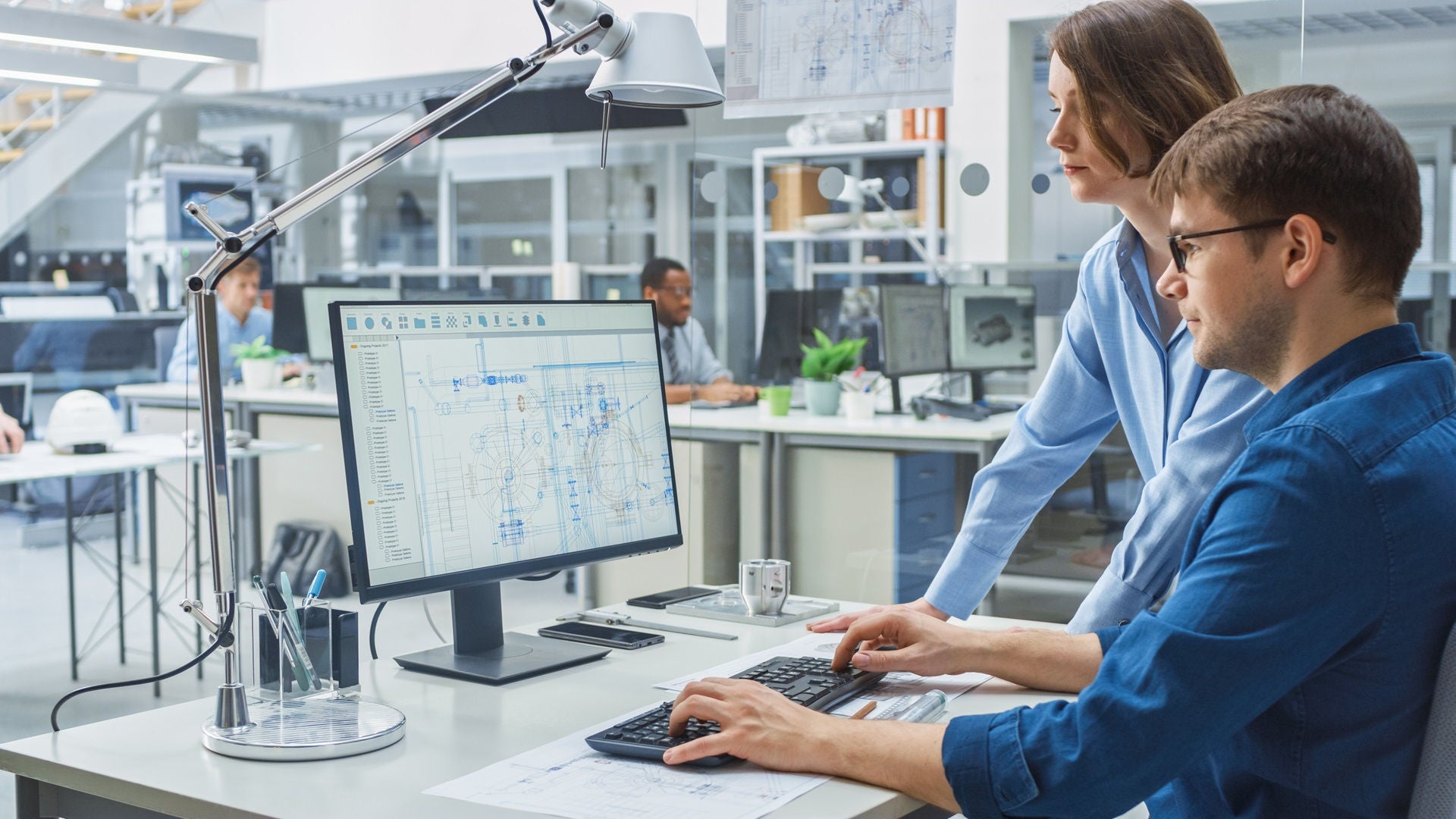
Digitalization offers great advantages when it comes to efficient (global) cooperation between project teams. Internal and external participants have access to important data at all times and can exchange information more effectively, which improves collaboration.
Overall, digitalization in machine building is helping to future-proof the industry by offering flexibility, agility and a clear competitive advantage.
Digitalization in machine building enables companies to increase their efficiency and product quality. Automation optimizes production processes and improves collaboration. This creates competitive advantages on the one hand and new opportunities to respond flexibly to market requirements on the other.
Various technologies are essential for digitalization in machine building. These include:
The effective combination of these solutions increases efficiency within the company, promotes collaboration and reduces product development costs.
Digitalization is revolutionizing the work environment in machine building. Automation is leading to more efficient production processes, while virtual collaboration and mobile technologies are enabling flexible ways of working. The digital transformation requires continuous adaptation and training, but it also creates more diverse and challenging work opportunities in machine building.
Small and medium-sized companies in the machine building industry can approach digitalization through step-by-step integration, starting with goals and a demand-oriented and scalable technology selection. Investing in training is crucial to prepare employees for working with new software solutions. Working with external experts, such as Cideon, can make it easier for SMEs to get started with digitalization and unleash innovative potential.
Effective project management in machine building is characterized by precise planning, clear objectives and transparent communication. It requires the integration of technologies such as PLM and ERP for optimal use of resources.
Continuous monitoring of project progress, adaptability to change and targeted risk management are crucial. Teamwork, clearly defined responsibilities and continuous reporting contribute to the successful implementation of machine building projects.
An ERP system in machine building is very important for coordinating complex processes. It integrates all departments, from procurement to production, into one central platform. This enables the provision of real-time data, improved transparency and efficient use of resources.
Precise control of production processes, optimization of warehouse management and adaptability to customer-specific requirements are only a few reasons why an ERP system is essential in machine building to boost competitiveness and innovative strength.
Discover further topics that will help you to exploit the full potential of your business processes and benefit from our in-depth know-how:

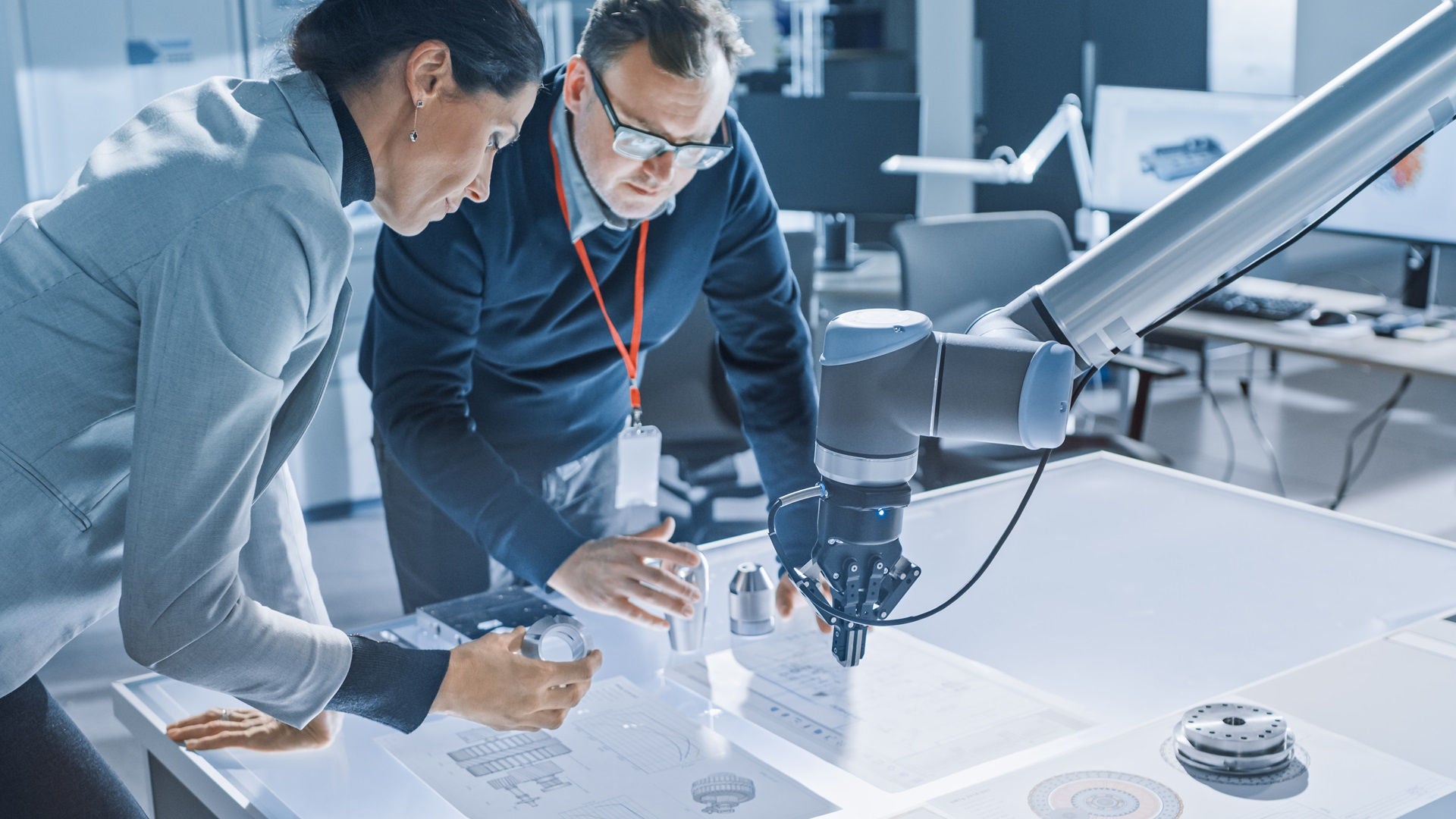
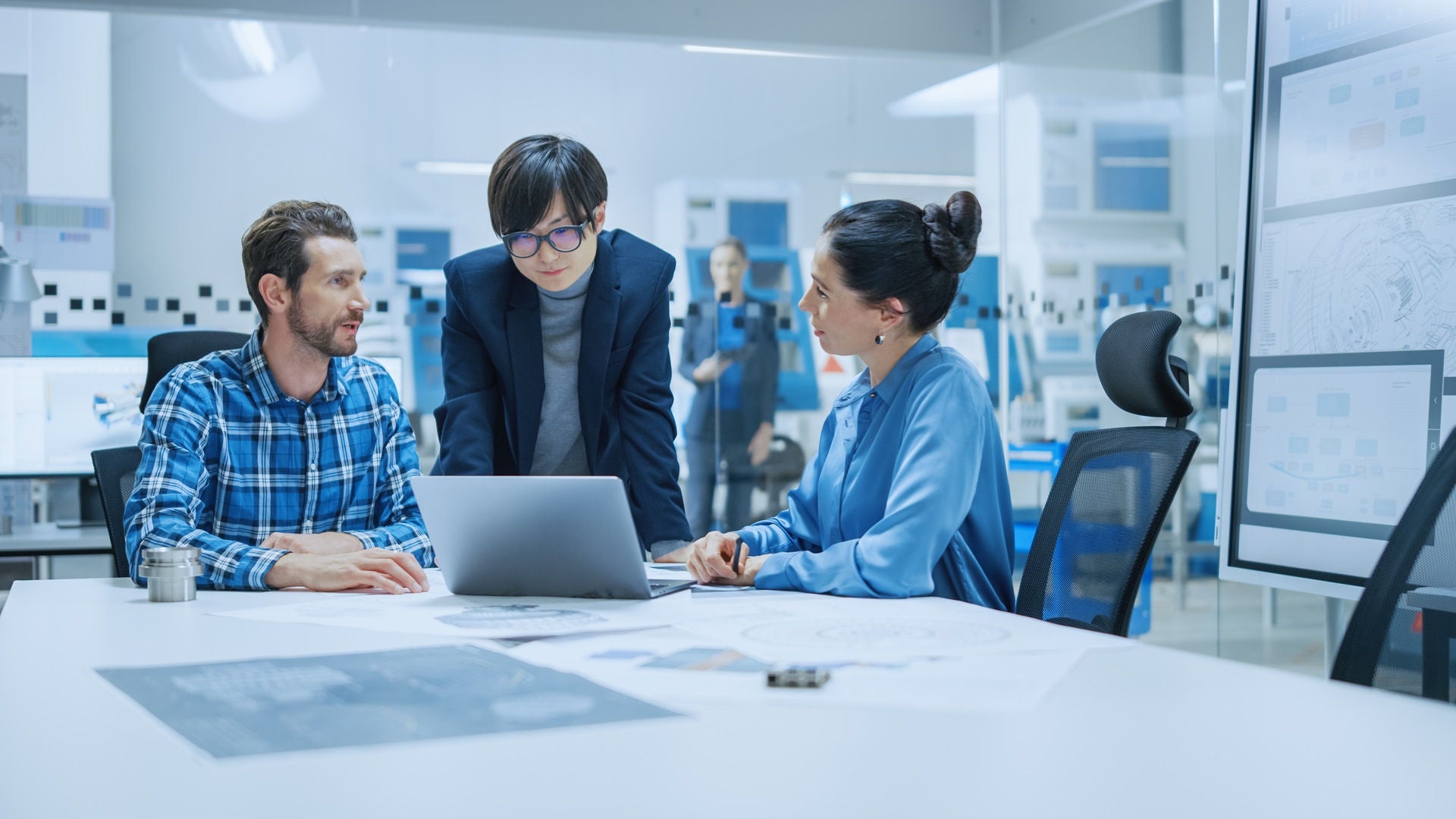

Cideon empowers companies to streamline product development – from initial concept to production and service. Our promise: measurable value through smart engineering and digital transformation.



CIDEON Software & Services GmbH & Co. KG
Lochhamer Schlag 11, 82166 Gräfelfing (Germany)